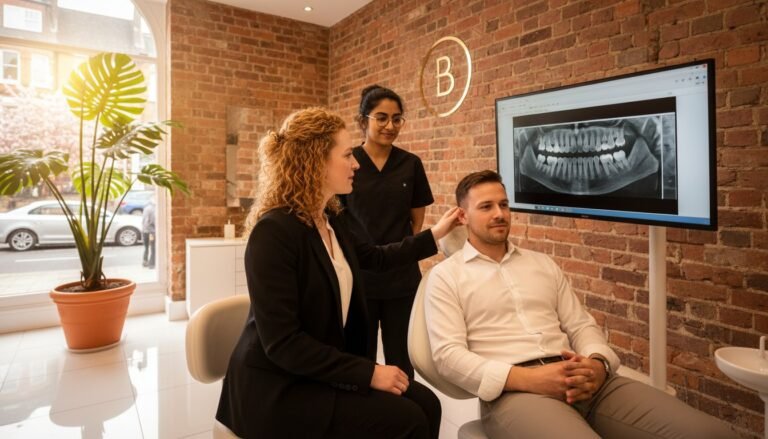

Tooth pain can be one of the most uncomfortable types of pain we experience. It can interrupt your sleep, make it hard to eat, and sometimes the pain can even spread to your jaw or head.
When the pain becomes constant, sharp, or throbbing, many people start to worry that they might need a painful root canal treatment, and that thought alone can create even more stress. The truth is, most of the fear around root canals comes from old stories or outdated experiences.
Modern dentistry has changed a lot, and today’s root canal treatments are designed to be gentle, precise, and very well-managed in terms of pain. At Root Canal London, we meet many patients who come in feeling anxious but leave saying, “That wasn’t bad at all.” In fact, the pain you feel before getting a root canal is usually much worse than anything you feel during the procedure.
In this detailed guide, we’ll walk you through exactly how root canal pain relief works before, during, and after treatment, so you know what to expect and how to make the whole process as comfortable as possible.
Table of Contents
ToggleWhy Does a Tooth Need a Root Canal (And Why Does It Hurt)?
A tooth needs a root canal when the inside of the tooth, called the pulp, becomes infected or badly inflamed. The pulp is the soft part at the centre of your tooth that contains nerves and blood vessels. When this area gets infected, the nerves become irritated, and that’s what creates the deep, throbbing pain many people feel.
Most patients are surprised to learn that the pain usually doesn’t come from the root canal treatment itself; it comes from the infection before the treatment. Think of it like this: the pulp sits in a small, closed space inside the tooth. When it swells because of infection or injury, there’s no room for that pressure to escape. This pressure builds up and pushes on the nerves, causing sharp pain, sensitivity, and sometimes swelling.
There are several reasons the pulp becomes damaged or infected:
- Deep Tooth Decay
When a cavity goes untreated for too long, it eventually reaches the nerve. At this point, normal fillings are no longer enough; the infection has already spread too far.
- Cracked or Broken Tooth
A small crack can allow bacteria to enter the inner part of the tooth. Even if the crack isn’t visible, it can still cause major nerve irritation.
- Previous Dental Work
If a tooth has had many fillings or dental procedures, the pulp can become stressed or inflamed over time.
- Trauma or Injury
Even if the tooth doesn’t chip or crack on the outside, a hit to the tooth (for example, during sports or an accident) can damage the internal pulp.
- Deep Infections or Abscesses
Sometimes the infection spreads so much that it forms an abscess (a pocket of pus). This can cause:
- Swelling
- Severe, throbbing pain
- Tenderness when biting
- A bad taste or smell
When the pulp becomes infected, it cannot heal on its own. That’s why a root canal is needed; it removes the infected tissue, cleans the inside of the tooth, and stops the pain from spreading or getting worse.
The important thing to remember is this:
- The pain before the root canal is from the infection; the treatment actually removes the cause of the pain.
Once the infected pulp is taken out and the tooth is treated, most patients feel relief.
Pain Relief Before the Root Canal
When a tooth is infected or inflamed, the pain can range from mild sensitivity to intense, throbbing discomfort. This can make everyday activities, like eating, talking, or even sleeping, feel difficult. The good news is that there are several effective ways to ease the pain before your appointment, and most of them can be done at home.
Here’s what really helps:
Over-the-Counter Pain Relief
The most common and effective medications for tooth pain are:
Ibuprofen (e.g., Nurofen)
This is often the best option because it reduces:
- Pain
- Swelling
- Inflammation
Since most tooth pain comes from inflammation inside the tooth, ibuprofen can make a noticeable difference.
Paracetamol
- Helps reduce pain and fever.
- Some dentists recommend alternating or combining paracetamol and ibuprofen, but only if it’s safe for you.
If you’re unsure, always check first.
Cold Compress on the Cheek
A cold pack placed on the cheek (on the side of the painful tooth) can help by:
- Reducing swelling
- Slowing down nerve signals
- Numbing the area
Apply for 10–15 minutes at a time with breaks in between. Never place ice directly on the skin.
Avoid Hot, Cold, and Sweet Foods
An infected or inflamed tooth becomes extremely sensitive. Even a sip of cold water or a bite of something sweet can trigger sudden pain.
Until your root canal appointment, it’s best to avoid:
- Very cold drinks or ice
- Hot tea or coffee
- Sweets, chocolates, fizzy drinks
- Foods with sudden temperature changes
Chew on the opposite side to prevent triggering sharp pain.
Keep the Area Clean
Food particles and bacteria around the sore tooth can increase irritation.
Try to:
- Brush gently (don’t press too hard around the area)
- Floss carefully to remove trapped food
- Avoid vigorous rinsing (this can make pain worse)
A clean mouth reduces pressure and helps control infection before your treatment.
Saltwater Rinse (Warm, Not Hot)
- Mix half a teaspoon of salt in a glass of warm water.
- Rinse gently to reduce bacteria and calm gum inflammation.
- This isn’t a cure, but it can provide temporary comfort.
When to Seek Urgent Help
If your pain becomes:
- Severe
- Constant
- Paired with swelling
- Accompanied by a fever
Making it hard to open your mouth or swallow
At Root Canal London, we offer emergency appointments for cases like this because quick treatment can prevent the problem from getting worse.
Pain Relief During the Root Canal
Many people are surprised by this, but the root canal procedure itself is usually very comfortable. Modern techniques and Endodontist care mean you shouldn’t feel pain during the treatment, just some movement and pressure.
Local Anaesthetic = Nearly Pain-Free
Before anything begins, your expert will numb the tooth completely using a local anaesthetic.
Once the area is fully numb, you may still feel:
- Pressure
- Movement
- Vibration from the instruments
But you should not feel sharp pain! If you feel even the slightest discomfort, your expert will stop immediately and apply more anaesthetic. At Root Canal London, keeping you comfortable is our top priority.
Gentle, Modern Techniques
Today’s root canal treatments are far more gentle than they were years ago. experts use:
- Smaller, flexible instruments that reduce strain on the tooth
- Precision cleaning tools that remove infection faster
- Minimal drilling, making the experience smoother and quieter
All of this helps keep the procedure calm, controlled, and comfortable.
Communication is Key
You are always in control during your treatment. At Root Canal London, we encourage you to:
- Raise your hand if you need a break
- Let us know if something doesn’t feel right
- Ask questions at any time
We check in regularly and adjust the treatment based on your comfort level. Our goal is to make the root canal experience as stress-free as possible.
Pain Relief After the Root Canal
It’s common to feel a little tender for a few days after the procedure is complete and the numbing wears off. This is typically not the result of the treatment itself but rather of mild inflammation surrounding the tooth.
Most patients say the discomfort feels like a bruise around the tooth and improves quickly.
Medications
To stay comfortable, most people only need:
- Ibuprofen – helps with pain and inflammation
- Paracetamol – helps with general pain relief
If your tooth had a strong or advanced infection, your dentist may prescribe antibiotics. These are only given when truly needed.
Eating Tips for the First 24–48 Hours
Your tooth will be a bit sensitive after treatment, so it’s best to:
- Eat soft foods like soup, mashed potatoes, pasta, yogurt, and smoothies
- Avoid chewing on the treated side
- Stay away from very hot or very cold foods and drinks
- Skip sticky or hard foods that might put pressure on the tooth
Following this helps the area settle down faster.
Oral Care Tips After Treatment
Maintain your normal oral hygiene routine, but be gentle with the treated tooth.
We recommend:
- Softly brush the area.
- Rinse gently rather than harshly.
- After 24 hours, use a warm saltwater rinse to soothe the gums.
Good oral hygiene reduces irritation and keeps the area clean as it heals.
When Pain Is Not Normal
It’s uncommon, but a tooth can become painful after a few days. Contact your dentist if you have:
- Severe pain lasting more than three days.
- Swelling surrounding the tooth or face
- Bite-related pain is not improving.
- An unusual taste, smell, or discharge.
These symptoms may indicate that the bite needs to be adjusted or that the tooth requires a quick examination.
Why Visit a Root Canal Endodontist?
Choosing an endodontist (a root canal expert) can make a big difference in your experience and the long-term health of your tooth.
specialiseds offer:
- More experience dealing with complex cases
- Advanced training for root canal procedures
- Higher success rates
- Improved equipment, including dental microscopes and digital imaging
Most importantly, Specialiseds perform root canals daily, allowing for gentler, faster, and more precise treatments.
Root Canal London specialises in root canal care, and we always strive to make the procedure as comfortable as possible.
Debunking Root Canal Pain Myths
Many root canal-related fears stem from outdated stories or experiences. Let’s debunk the most common myths.
❌ “Root canals are the most painful dental procedure.”
These days, root canals hardly ever cause pain.
❌ “It’s better to remove the tooth instead.”
Saving natural teeth is often a more cost-effective and health-conscious option in the long run.
❌ “Recovery takes time.”
Most people feel normal again after a few days.
Modern dentistry has changed everything about the root canal experience.
What Makes Modern Root Canals Much Less Painful?
A big reason root canals feel easy today is because of advancements in technology and Endodontist techniques.
Advanced Local Anaesthesia
Modern anaesthesia is fast-acting and deeply numbs the area.
Most patients only experience pressure, not pain.
expert Equipment
At Root Canal London, we utilise:
- Microscopes are used to look at the intricate details of the teeth.
- Rotary tools are used to thoroughly clean the canals.
- Digital X-rays and imaging to ensure accuracy and safety
This leads to the following:
- Faster appointments
- More accurate treatment.
- Reduced discomfort and accelerated healing
Sedation Options for Anxious Patients
If dental visits make you nervous, sedation can make the experience much easier.
Options include:
- Oral sedation: a calming tablet.
- IV sedation promotes deeper relaxation.
- Sedation via gentle inhalation of gas and air
Many anxious patients say that sedation made the entire experience more comfortable and fear-free.
Conclusion
A root canal does not have to be painful, traumatic, or stressful. Modern technology, advanced anaesthetic techniques, and specialised care typically ensure that the procedure is smooth and comfortable from start to finish. Most importantly, a root canal eliminates the infection that is causing the pain, allowing you to feel better sooner.
If you’re dealing with tooth pain or think you may need a root canal, Root Canal London is here to help.
Our team specialises in gentle, painless treatments that save teeth and alleviate discomfort.
Schedule a consultation today and let our experts guide you through a relaxing, comfortable, and successful root canal treatment.
In pain or unsure what to do next?
We offer same-day root canal appointments at our Fulham practice.
📞 Call 020 3375 6076 💬 WhatsApp UsFrequently Asked Questions
1. Is root canal therapy painful?
No, modern root canal therapy is usually painless.
Root canals are made more comfortable by employing local anaesthesia and advanced techniques that typically result in gentle pressure. The procedure effectively eliminates infection and pain, often exceeding patients’ expectations.
2. How can I relieve pain before a root canal?
To reduce tooth pain before your appointment:
Take ibuprofen or paracetamol (if safe for you).
- Apply a cold compress to the cheek near the sore tooth.
- Avoid foods that are hot, cold, sweet, or hard.
- Chew on the opposite side of your mouth.
- Keeping the area clean through gentle brushing and warm saltwater rinses.
- Don’t bite down on a sore tooth.
If the pain worsens or you notice swelling or fever, contact your dentist right away; you may require emergency care.
3. How painful are root canal treatments?
Most people describe root canal treatment as comfortable and manageable, similar to getting a filling done. You might feel:
- Pressure
- Mild vibration
- Movement