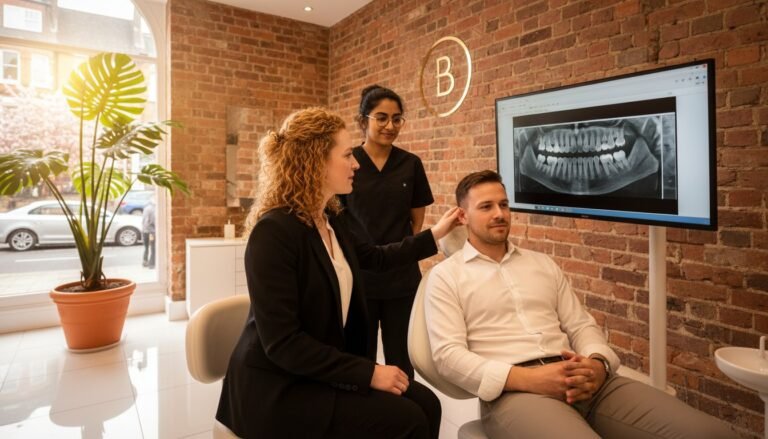

Just hearing the phrase ‘root canal treatment’ is often enough to cause a wave of anxiety. But if you are living with the distress of a severe toothache, the truth is that this procedure is not the cause of your pain-it is the solution. Modern, skilled root canal treatment is designed to bring you profound relief, end the infection, and most importantly, save your natural tooth from being lost forever. We understand the worries that can accompany this recommendation, from fear of the unknown to concerns about cost and long-term success.
This reassuring guide is here to put those fears to rest. We will walk you through every step of the process, explaining exactly what to expect before, during, and after your appointment. Our goal is to replace apprehension with clarity and confidence, showing you how this highly successful procedure can be a calm, comfortable, and positive experience. You will learn how we can get you out of pain quickly and help you keep your own healthy smile for years to come.
What is Root Canal Treatment? A Modern Approach to Saving Your Tooth
If you’re experiencing severe tooth pain, the mere mention of a root canal might cause anxiety. However, we want to reassure you that this is a routine, pain-relieving procedure designed to save your natural tooth. At its core, root canal treatment is a skilled procedure to carefully remove infection from the delicate inner part of your tooth, known as the pulp.
To understand exactly what is a root canal, it helps to know your tooth’s anatomy. Beneath the hard outer enamel and the dentin layer lies the pulp, a soft tissue containing nerves and blood vessels. When this area becomes infected, it can cause significant pain. The goal of this treatment is simple and effective: to ease your pain and preserve your smile for years to come. With modern techniques and a focus on your comfort, it’s a far more straightforward experience than its reputation suggests.
Why is the Treatment Necessary?
The pulp inside your tooth is usually well-protected, but it can become inflamed or infected for several reasons. The most common causes include deep decay that has breached the outer layers, a crack or chip in the tooth, or a significant injury. When bacteria enter the pulp, the resulting infection can lead to a painful abscess. If left untreated, this infection won’t go away on its own. It can spread to the surrounding bone, causing bone loss and potentially threatening your overall health.
Debunking the Myth: Is Root Canal Treatment Painful?
Let’s address the biggest concern head-on: the myth that a root canal is a painful ordeal. The reality is quite the opposite. The procedure is what relieves the intense pain caused by the tooth infection. The discomfort you feel now is from the problem, not the solution. Thanks to highly effective local anaesthesia, the treatment area is completely numbed, ensuring you feel comfortable during the procedure. Our priority is always your well-being, and we take every step to provide a calm, stress-free, and reassuring experience from start to finish.
Key Signs and Symptoms: When to Consider Root Canal Treatment
We understand that severe tooth pain can be distressing and disruptive. Recognising the warning signs of a potential tooth infection is the first step towards finding relief and saving your natural tooth. While these symptoms are strong indicators, it is essential to remember that only a qualified dentist or endodontist can provide a definitive diagnosis after a thorough examination.
If you are experiencing any of the issues below, it may be time to consider a consultation for root canal treatment. Ignoring these signs can lead to more severe pain and complications, so prompt action is always the best approach.
Pain and Sensitivity Indicators
Pain is your body’s primary way of signalling that something is wrong. An infected tooth pulp can cause a range of uncomfortable sensations, including:
- Persistent Toothache: A constant, throbbing ache that can be severe enough to wake you up at night. The pain may feel deep within the bone of your tooth.
- Sharp Pain When Chewing: Intense, sharp pain when you bite down or apply pressure to the tooth. This often makes eating difficult and uncomfortable.
- Lingering Sensitivity: While many people have sensitive teeth, a key sign of pulp damage is sensitivity to hot or cold that lingers for more than a few seconds after the food or drink is gone.
Visible and Physical Signs
Sometimes, the signs of an infection are things you can see or feel, not just pain. These physical symptoms point to an infection deep inside the tooth, which a root canal procedure is designed to treat. Be on the lookout for:
- Swollen and Tender Gums: The gums around the affected tooth may become swollen, puffy, and tender to the touch.
- A Pimple on the Gum: A small, pimple-like bump (known as a fistula or abscess) may appear on the gum near the painful tooth. This is a sign of infection draining from the tooth root.
- Tooth Discolouration: An infection can damage the tooth from the inside out, causing it to darken and appear greyish or black.
These symptoms are your body’s way of asking for help. Don’t wait for the pain to become unbearable. We are here to provide calm, compassionate, and skilled care when you need it most.
In pain? Call us for an emergency appointment today.
The Root Canal Treatment Journey: A Step-by-Step Overview
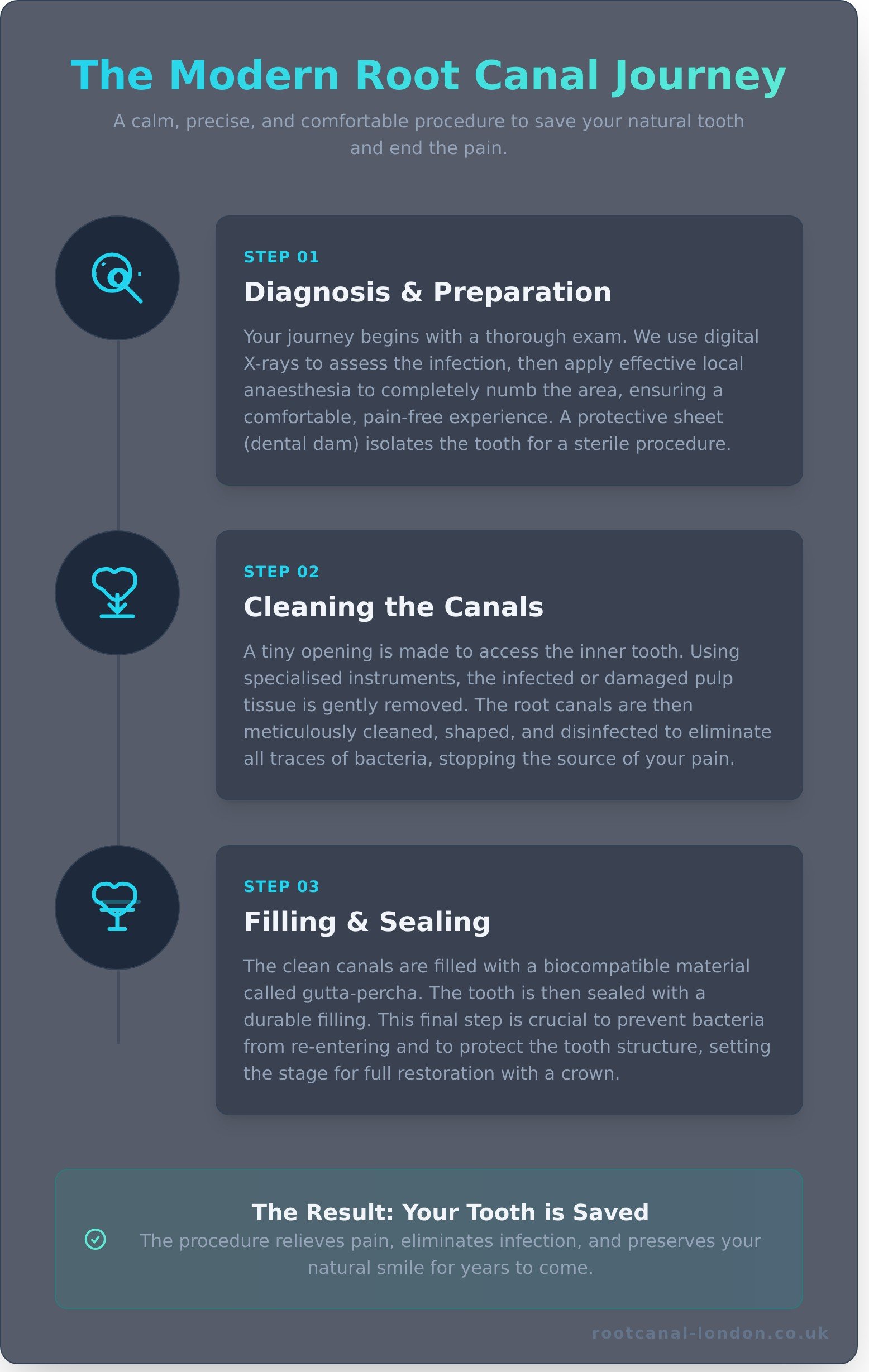
Many patients feel anxious about the unknown, but we want to reassure you that a modern root canal treatment is a calm, controlled journey from pain to lasting relief. Thanks to advanced technology and precise techniques, the entire procedure is designed for your comfort and is typically completed in just one or two visits. Here is a simple, step-by-step guide to what you can expect.
Step 1: Consultation and Preparation
Your journey begins with a thorough examination. We use detailed digital X-rays to assess the tooth’s root structure and the extent of the infection. Before we start, we administer a local anaesthetic to ensure the area is completely numb and you feel no discomfort. To create a sterile environment, we place a small protective sheet called a ‘dental dam’ over the tooth, isolating it and keeping it pristine throughout the procedure.
Step 2: Cleaning the Canal
Once you are comfortable, we create a tiny opening in the top of the tooth to access the inner chamber. Using specialised instruments, our endodontist will carefully and gently remove the damaged or infected pulp tissue from within the root canals. The canals are then meticulously cleaned, shaped, and disinfected to eliminate all traces of bacteria, preparing the tooth for the final, restorative stage of treatment.
Step 3: Filling and Sealing the Tooth
With the canals thoroughly cleaned, we fill them with a biocompatible, rubber-like material called gutta-percha. This seals the inside of the tooth completely. We then place a durable temporary or permanent filling to close the opening. This final seal is crucial as it prevents bacteria from re-entering and protects the tooth as it heals. Understanding proper root canal aftercare is key to ensuring the long-term success of your newly restored tooth.
After Your Treatment: Recovery, Aftercare, and Long-Term Success
The hard part is over, and you are now on the path to lasting relief. The success of your root canal treatment depends just as much on the aftercare as it does on the procedure itself. Our goal is to ensure your recovery is as comfortable and smooth as possible, setting you up for excellent long-term dental health. Here is what you can expect and how to best care for your treated tooth.
Immediate Post-Treatment Care
Once your procedure is complete, the local anaesthetic will leave your mouth feeling numb for a few hours. It is crucial to avoid chewing on the treated side of your mouth until the feeling fully returns to prevent accidentally biting your cheek or tongue. It is completely normal to experience mild sensitivity or tenderness for a few days as the surrounding tissues heal. This discomfort is a sign of your body’s natural healing process and is easily managed.
- Manage Discomfort: For any tenderness, over-the-counter pain relief such as paracetamol or ibuprofen is usually very effective. Please follow the dosage instructions on the packaging.
- Be Gentle: Stick to soft foods for the first 24-48 hours and continue to brush and floss gently around the area.
- When to Call: If you experience severe pain, swelling, or a reaction to medication, please do not hesitate to contact our caring team immediately.
The Final Restoration: Protecting Your Tooth
A root canal procedure saves the natural tooth, but it also leaves it more fragile than before. The temporary filling placed after your treatment is not designed for long-term use. To ensure the tooth is protected from future damage and can function properly, a permanent restoration is essential. In most cases, especially for back teeth that endure heavy chewing forces, a dental crown is the ideal solution. A crown acts like a protective helmet, restoring the tooth’s strength, shape, and appearance, and sealing it against bacteria.
Maintaining Your Treated Tooth
With the right care, a tooth that has undergone root canal treatment can last a lifetime. It is a common misconception that the tooth is ‘dead’ and no longer needs attention. The surrounding gum tissue and bone still require care to remain healthy. Maintaining your treated tooth is simple and involves the same excellent oral hygiene you practise for your other teeth: thorough brushing twice a day, daily flossing, and attending regular dental check-ups and hygiene appointments. These visits allow us to monitor the tooth and ensure everything remains healthy for years to come.
If you have any questions about your recovery, our team is always here to provide calm and reassuring advice. You can learn more or get in touch through our website at rootcanal-london.co.uk.
Why Choose a Endodontist Endodontist for Your Treatment?
When you need a root canal, you want the best possible care to ensure a comfortable experience and a lasting result. While many general dentists perform root canals, an endodontist is a Specialised dentist who has completed several additional years of advanced training focused exclusively on diagnosing tooth pain and saving teeth with procedures like root canal therapy.
Think of it this way: your general dentist is like your GP, providing excellent all-around care. An endodontist is the expert they refer you to for complex, focused treatment, ensuring your tooth gets the dedicated expertise it deserves.
The Advantage of endodontist Expertise
Because endodontists focus solely on treatments inside the tooth, they perform root canals every day. This daily practice hones their skills to an exceptional level, leading to significant advantages for you as a patient:
- Higher Success Rates: An endodontist’s experience is invaluable, especially in complex cases such as teeth with narrow or curved canals, or when re-treating a previous root canal that has failed.
- Expert Diagnosis: With their advanced training, they are masters at diagnosing the source of complicated tooth pain, ensuring you get the right treatment, right away.
- Focus on Comfort: Their refined techniques and deep understanding of pain management create a more calm and reassuring treatment experience.
Advanced Technology for Better Outcomes
Expert endodontists invest in state-of-the-art technology that is often not available in a general practice. This equipment allows for incredible precision, making your treatment more effective and efficient.
We use surgical operating microscopes to get a highly magnified, detailed view inside your tooth’s complex canal system. This means we can treat even the most difficult-to-reach areas with complete accuracy. For diagnosis, 3D imaging (CBCT scans) gives us a comprehensive view of your tooth’s anatomy, allowing for meticulous planning. This commitment to technology ensures a more comfortable and successful root canal treatment from start to finish. Meet our Expert endodontist, Dr. Millie, and learn more about her patient-focused approach.
Your Path to Relief and a Healthy Smile
We hope this guide has demystified the process, showing that a root canal is a positive step towards saving your tooth and ending discomfort. The key takeaway is simple: a modern root canal treatment is a highly successful procedure designed to relieve your pain, not cause it, preserving your natural smile for years to come.
If you are living with tooth pain, you don’t have to endure it. Our endodontist Endodontist, Dr. Millie, provides an exceptionally calm and reassuring experience, especially for anxious patients. With same-day emergency appointments available for fast pain relief, your comfort is our priority.
Don’t let discomfort control your life. In pain? Book a consultation with our root canal expert today. Taking this step is the beginning of feeling better and protecting your long-term dental health.
Frequently Asked Questions About Root Canal Treatment
Is it better to get a root canal or have the tooth extracted?
Saving your natural tooth is almost always the best option for your long-term oral health. A root canal treatment preserves your tooth, maintaining your natural bite and preventing nearby teeth from shifting. While extraction might seem simpler, it often leads to more complex and costly future procedures, such as implants or bridges, to fill the gap. Our priority is to provide skilled, caring treatment to help you keep your own teeth for a lifetime of comfort.
How many appointments does a root canal treatment take?
The number of appointments depends on the complexity of your case. Many straightforward root canals can be completed in a single, comfortable visit of about 60-90 minutes. For more complex teeth with severe infections, two visits may be recommended. This allows us to place a soothing medication inside the tooth between appointments to ensure a thorough and successful outcome. We always tailor the treatment plan to your specific needs for the best results.
Will I need a crown after my root canal treatment?
In most cases, yes. A tooth requiring a root canal has often been weakened by decay or a large filling, and the procedure itself can make the tooth more brittle. A dental crown acts like a protective helmet, restoring the tooth’s strength, function, and natural appearance. Placing a crown is a crucial final step to ensure the long-term success and durability of your treated tooth, protecting it from future fracture and allowing you to chew with confidence.
What is the success rate of a root canal treatment?
Modern root canal treatment, when performed with precision and care, has a very high success rate-typically over 95%. When carried out by a specialised endodontist using advanced technology like dental microscopes, the chances of a successful, long-lasting outcome are excellent. Our focus on meticulous, expert care is designed to eliminate the infection, provide lasting relief from pain, and save your natural tooth for many years to come.
Can a root canal treatment fail, and what happens then?
While failure is uncommon, it can occasionally happen due to a persistent infection or a very complex root anatomy. If a previous treatment does not heal as expected, there is no need to panic. The tooth can often be saved with a procedure called ‘root canal retreatment’. As experts, we have the advanced skills and equipment to carefully re-access the tooth, diagnose the problem, thoroughly clean the canals, and give you the best possible chance of saving your tooth.
How much does a private root canal treatment cost in London?
The cost of private root canal treatment in London varies based on the tooth’s location and the complexity of the case. Front teeth are simpler and may start from around £700, while molars have multiple canals and typically range from £900 to over £1,200. Following your consultation, we provide a clear, itemised treatment plan with all associated costs, ensuring complete transparency so you can make an informed decision about your care.