
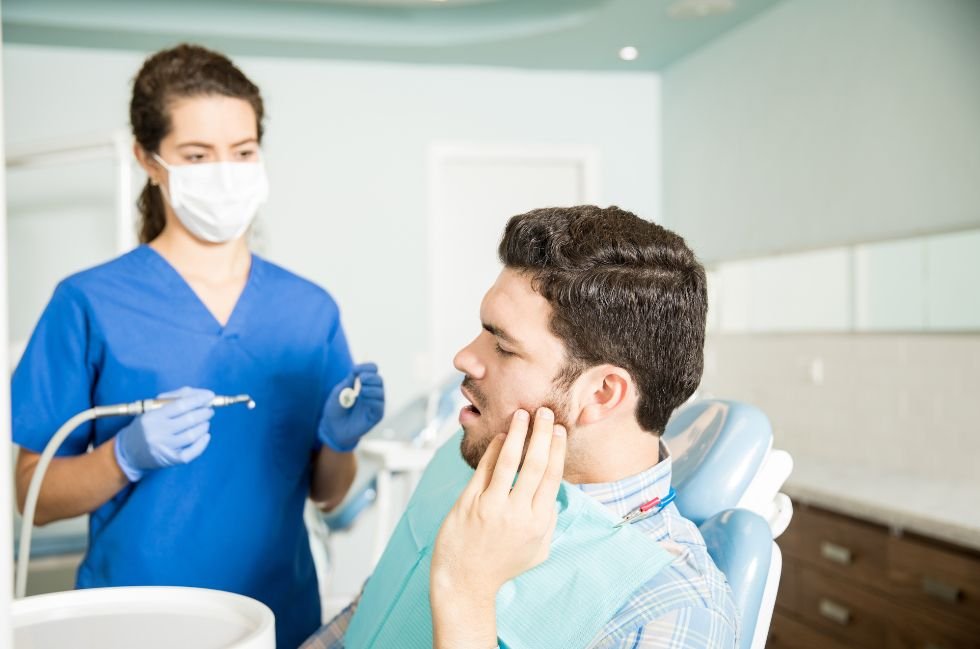
When a toothache strikes unexpectedly, whether it’s a sharp stab of pain or a dull ache, it can feel as if your entire day has come to an end. You may be wondering, “Do I need an emergency dentist?” or “Is this serious enough for an emergency root canal?”. In these circumstances, panic can quickly take over.
Root Canal London understands the stress and unpredictability of dental emergencies. Most people don’t plan for a cracked tooth, a broken filling, or waking up with intense pressure in their jaw, yet these things happen more often than you’d think. And knowing what to do can make everything so much easier.
The truth is, a little preparation can help you receive faster care, reduce discomfort, and provide dentists with the information they need to treat you effectively and efficiently. Whether you’re in severe pain, have a swollen gum infection, or are unsure what’s going on, this guide will walk you through simple steps to help you feel calmer, more informed, and prepared for your appointment.
Our team at Root Canal London is here to help you every step of the way and take control of the situation from the moment it arises. Let’s make your emergency dental experience easier, clearer, and less stressful.
Table of Contents
ToggleDental Emergency? Signs You May Need an Emergency Root Canal
Dental pain can be confusing; sometimes it’s just irritation, but other times it’s your body warning you that something is seriously wrong. When the tooth’s inner nerve becomes infected or inflamed, an emergency root canal is typically required. This can result from deep decay, cracks, dental trauma, or untreated cavities.
In pain or unsure what to do next?
We offer same-day root canal appointments at our Fulham practice.
📞 Call 020 3375 6076 💬 WhatsApp UsHere are the most common signs that you might need urgent care:
Prolonged or Severe Toothache
If your tooth pain is throbbing, sharp, or wakes you up at night, it could indicate that the nerve inside the tooth is infected. This type of pain seldom improves on its own and frequently worsens.
Swelling of the Gums, Face, or Jaw
Swelling is a major red flag; it’s the body’s response to infection. If the swelling spreads to your cheek or jaw, it’s important to book an emergency dental appointment immediately.
Lingering Sensitivity to Hot or Cold
Normal sensitivity lasts a few seconds. If it continues for minutes, the nerve inside the tooth may be damaged or inflamed.
Pain When Biting or Chewing
Pain caused by pressure often means the infection has reached the root of the tooth. Emergency dentists frequently see this when bacteria start affecting the surrounding bone.
Cracks, Chips, or Broken Teeth
When a tooth is damaged, bacteria can quickly reach the pulp. A cracked tooth may appear unassuming from the outside, but it requires immediate root canal treatment.
Tooth Discolouration or Darkness
A tooth turning grey or brown may indicate nerve death and should be treated immediately.
Abscess, Pus, or a Bad Taste In Your Mouth
This indicates a spreading infection, and delaying treatment may result in more serious complications. If you notice any of these symptoms, please contact an emergency dentist immediately. Early detection can save a tooth and relieve you of excruciating pain.
Checklist For Emergency Dental Appointments
Here’s a quick checklist for your emergency dental appointment. Having these items on hand will allow you to complete your treatment faster and enjoy your visit more.
Bring
- Photo ID
- Insurance information (if applicable)
- A list of medications you are currently taking.
- Any medical history relating to your oral health
- Broken or chipped tooth fragments (if you have any)
- Retainers, crowns, or dental appliances may have come loose.
Note Down
- When did your pain begin?
- How severe is the pain?
- What causes or reduces the pain
- Any inflammation, fever, or discharge
- If the tooth was injured or damaged during an accident.
✅ Do Before Leaving Home
- Gently rinse your mouth with warm saltwater.
- Take over-the-counter pain relievers if necessary.
- Apply a cold compress to relieve swelling.
- Avoid eating on the painful side.
- Avoid eating sugary, hot, or hard foods.
With this information at hand, your dentist can quickly assess your condition and initiate appropriate treatment.
A Step-by-Step Guide to Preparing for an Emergency Dental Visit
Proper planning can make your emergency dentist appointment go more quickly, safely, and with less stress. This is a detailed and simple guide.
1. Determine the Severity of Your Symptoms
Not all toothaches are emergencies, but swelling, severe pain, and injury should be treated right away. If your symptoms are rapidly deteriorating, don’t wait.
2. Clean the Area (But Gently)
- Wash with warm, salty water
- Avoid brushing too hard
- Avoid using mouthwash with alcohol; it may irritate the area
- This reduces bacteria without causing additional pain
3. Gather Information for the Dentist
Emergency dentists diagnose much faster when you provide:
- Pain triggers (cold, pressure, lying down, sweets, etc.)
- Pain level (on a scale of 1–10)
- Medical conditions that may affect treatment
- Allergies (especially to medication or anaesthetics)
- Even small details help
4. Take Clear Photos if You Can
This is especially useful for those experiencing facial swelling.
- The tooth has chipped or cracked.
- A crown or filling is broken off.
- You had a mouth injury.
Photos assist the dental team in preparing the appropriate tools before you arrive.
5. Avoid Anything That is Too Hot, Cold, or Sweet
These can irritate the nerve and make the pain worse. If you need to eat something, keep it lukewarm and soft.
6. Plan to Arrive Early
Arriving 10-15 minutes early lets the dental team set up your room, review your notes, and make sure everything is in working order, especially if an emergency root canal is required.
7. Bring Someone with You (If Possible)
If you’re in severe pain or dealing with a stressful emergency, having someone by your side can make things easier. They can also assist you in driving home if you are receiving certain treatments.
What to Expect During Your Emergency Dentist Appointment
Many people feel anxious because they don’t know what happens during an emergency dental appointment. Here’s a detailed breakdown to help you feel more comfortable:
Quick Triage and Pain Assessment
The dentist will ask about your pain, swelling, injuries, and medical history. This helps them understand the severity of your situation.
Thorough Examination
The dentist will examine the affected area as well as the surrounding teeth. They may gently tap the tooth or check its sensitivity.
X-Rays for Accurate Diagnosis
X-rays are critical for spotting:
- Abscesses
- Infection
- Nerve damage.
- Deep decay.
Cracks are not visible to the eye.
Immediate Pain Relief Methods
You could receive:
- Local anaesthesia
- Medication that reduces swelling or infection
- Temporary dental fillings
- options for loose or broken teeth
Treatment Discussion
Your dentist will explain:
- What is causing the issue?
- Is an emergency root canal needed?
- Other treatment options.
- Costs and timeframe
- How urgent the situation is.
6. Same-day Treatment (If Required)
If you are in excruciating pain or have an infection, treatment may begin immediately. Emergency root canals often start by removing the inflamed nerve to relieve pressure.
7. Aftercare and Follow-Up
You will be given detailed instructions on what to do at home and when to return for additional care.
Tips for Following an Emergency Treatment
After your emergency dentist appointment, proper aftercare is required for your mouth to heal. Follow the detailed steps below:
Take Medicines As Prescribed
To avoid complications, carefully follow your dentist’s pain relief or antibiotic treatment instructions.
Avoid Chewing on the Treated Side
Give your tooth time to settle, especially if you had a temporary filling or the start of an emergency root canal.
Stick to Soft, Cool Foods
Ideal options include yoghurt, smoothies, soups (lukewarm), and mashed foods.
Use Cold Compresses
Apply to the outside of your cheek for 10–15 minutes at a time to reduce swelling.
Keep the Area Clean
Rinse gently with warm salt water, being careful not to swish forcefully.
Look for Warning Signs
Contact your dentist if you notice:
- Increased swelling, persistent bleeding.
- Fever
- Pain that worsens instead of improving.
These could indicate a more severe infection.
Attend All Follow-Up Appointments
Following emergency treatment, especially root canals, follow-up appointments are required to complete the procedure and protect your tooth with a final filling or crown.
Why Should You Use Root Canal London for Emergency Dental Care?
Root Canal London understands the urgency, fear, and discomfort associated with dental emergencies. Here’s why patients rely on us when they need urgent care:
Specialists in Emergency Root Canals
Our experienced dentists specialise in root canal therapy, which is one of the most common emergency procedures for severe tooth pain.
Same-Day Appointments
We prioritise urgent cases and try to see you as soon as possible.
Advanced Technology
Using digital X-rays and cutting-edge technology, we can diagnose and treat your condition accurately and comfortably.
Compassionate and Gentle Care
Every day, we work with patients who are anxious, in pain, or nervous. Our goal is to make you feel comfortable from the moment you walk in.
Transparent Pricing and Honest Advice
Whether it’s an emergency dentist appointment or a full emergency root canal, you always know what to expect; no surprises.
Convenient Central London Location
Accessible, especially if you require immediate medical attention.
Conclusion
Dental emergencies can be upsetting, but with proper preparation and prompt action, you can find relief quickly and protect your long-term oral health. Whether you have sharp tooth pain, swelling, an infection, or a cracked tooth, following this detailed guide will make you feel more confident and prepared for your emergency dental appointment.
At Root Canal London, we’re here to assist you at every stage, from identifying the problem to providing expert treatment such as emergency root canals or urgent dental repairs. If something feels wrong, don’t hesitate. The sooner you seek assistance, the better your chances will be.