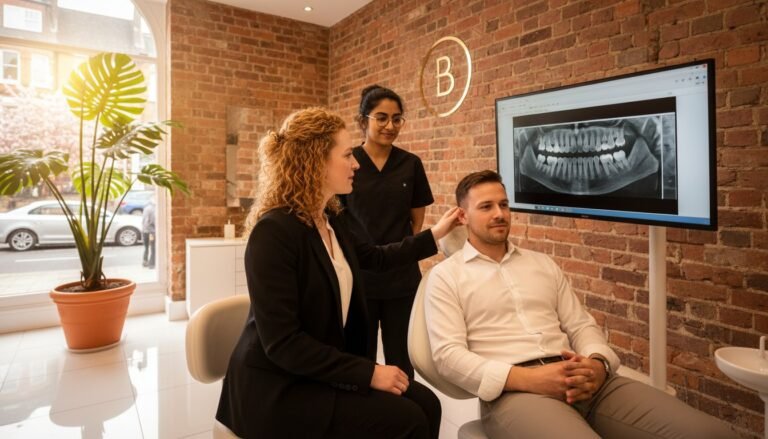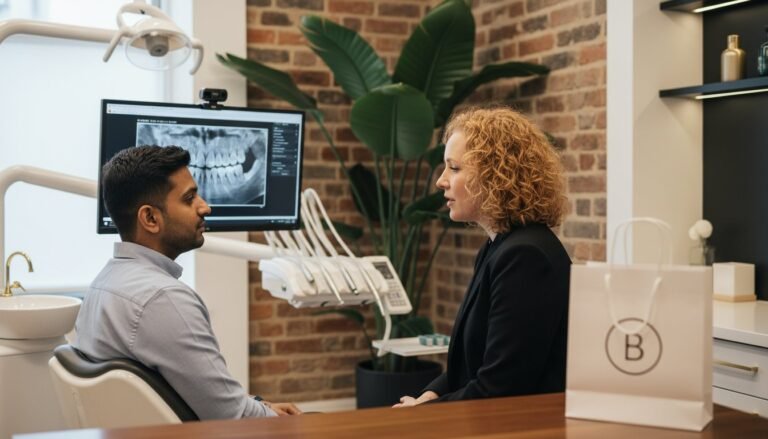
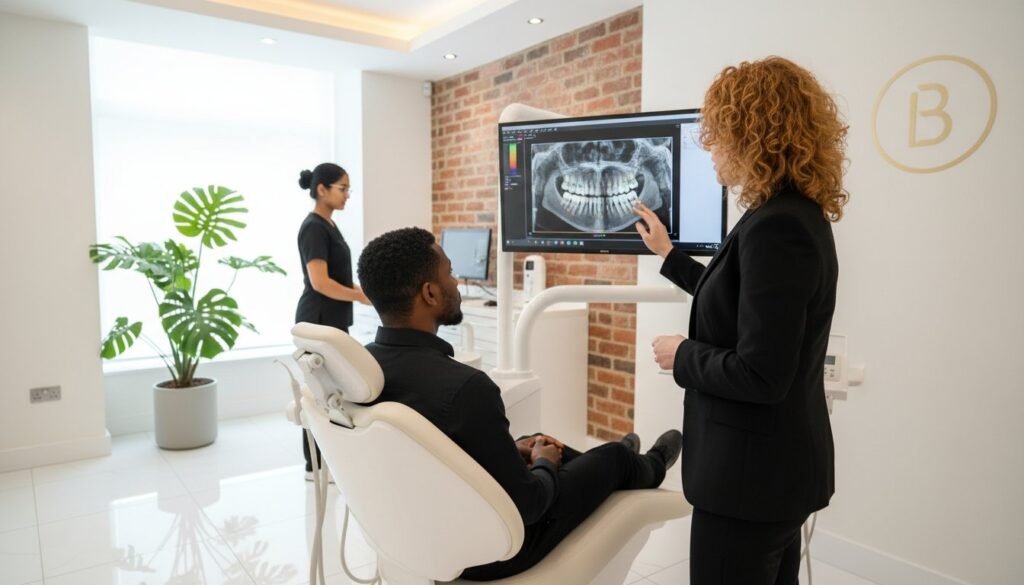
When you’re facing severe tooth pain, the choice between a root canal or a tooth extraction can feel overwhelming. One path saves your natural tooth, while the other removes it completely. Understanding the crucial differences is the first step towards making a calm, confident decision for your long-term dental health, guided by expert endodontic care.
Root Canal or Tooth Extraction: Understanding the Core Dilemma
At its heart, the decision between a root canal and an extraction is a choice between restoration and removal. Both procedures are designed to eliminate infection and stop the pain, but they take fundamentally different approaches to achieve this.
- Root Canal Treatment: This is a restorative procedure that saves your natural tooth. An endodontist carefully removes the infected or inflamed pulp (the nerve) from inside the tooth, cleans and disinfects the internal space, and then fills and seals it.
- Tooth Extraction: This is the complete removal of the entire tooth, including its root, from its socket in the jawbone.
- The Goal: Both procedures aim to resolve pain and infection. The key difference is that a root canal preserves your tooth, while an extraction leaves a permanent gap.
- The Deciding Role: An endodontist, a dentist with advanced training in saving teeth, is uniquely qualified to assess the internal structure of your tooth and determine if it can be saved, often in cases where others might recommend extraction.
When is a Root Canal Recommended?
A root canal is the preferred option when the tooth’s core is infected (pulpitis) but its external structure is still strong enough to be saved. This is often the case in situations involving:
- Deep Decay: When a cavity has penetrated the enamel and dentin to reach the inner nerve.
- Cracked or Chipped Tooth: When trauma allows bacteria to enter the pulp chamber.
- Faulty Crown: If an old restoration fails, leading to infection underneath.
The primary goal is always to maintain your natural bite, preserve jawbone health, and keep your own tooth for a lifetime.
When is Extraction the Only Choice?
While our focus is always on saving your tooth, there are rare situations where an extraction is the only viable path forward. This is never a first choice, but a necessary last resort. These situations include:
- Vertical Root Fractures: A crack that runs from the chewing surface down into the root, making it impossible to seal.
- Severe Bone Loss: If advanced gum disease has destroyed the bone supporting the tooth.
- Insufficient Tooth Structure: When there isn’t enough healthy tooth left above the gum line to support a crown after treatment.
The Case for Saving Your Natural Tooth: Why Endodontics Wins
Opting to save your natural tooth is a biological investment that pays dividends for a lifetime. Nothing functions as well as your own tooth. An artificial replacement is a good second-best, but preserving the original is the gold standard for a reason.
- Superior Function: Natural teeth provide sensory feedback that implants cannot, helping you chew with appropriate force and avoiding damage.
- Jawbone Preservation: The root of your tooth stimulates the jawbone, preventing the bone loss that occurs when a tooth is removed. This helps maintain your facial structure and prevent a "sunken" appearance over time.
- Avoiding the "Domino Effect": A gap left by an extraction can cause adjacent teeth to shift and tilt, leading to bite problems and further dental issues down the line.
- The Confidence of Your Own Smile: There is a significant psychological benefit to keeping your smile whole and natural.
The Endodontist Advantage: Dr. Millie and Advanced Care
Choosing an endodontist for your care significantly increases the predictability and success of saving a tooth. At Bespoke Dental Fulham, Dr. Millie uses specialised root canal treatment techniques that go far beyond standard general dentistry.
- Advanced Magnification: Using a high-powered surgical microscope, Dr. Millie can see intricate details inside your tooth that are invisible to the naked eye, ensuring all infected tissue is found and removed.
- CBCT Scanning: A 3D cone-beam computed tomography (CBCT) scan provides a detailed map of your tooth’s root structure, revealing complex anatomy that could otherwise be missed.
- Expert Training: Dr. Millie’s advanced training from the world-renowned Eastman Dental Institute ensures she has the expertise to handle even the most complex cases, giving your tooth the best possible chance of survival.
Can a Failed Root Canal Still Be Saved?
If you’ve had a root canal in the past that has become re-infected, you don’t have to lose the tooth. Root canal retreatment is a highly successful procedure that offers a second chance. An endodontist can carefully reopen the tooth, diagnose the problem, and re-treat it to resolve the infection, providing a much better alternative to extraction. In London, the success rates for endodontic retreatments are very high, making it a wise choice over losing the tooth.
Pain, Recovery, and Longevity: A Side-by-Side Comparison
One of the biggest myths in dentistry is that root canals are painful. The reality is that modern endodontic treatment is the solution to your pain, not the cause of it.
| Feature | Root Canal Treatment | Tooth Extraction |
|---|---|---|
| Pain During Procedure | Minimal. With effective local anaesthesia, it feels similar to a routine filling. | You will feel pressure, but not sharp pain. |
| Post-Op Discomfort | Mild tenderness for 1-2 days, easily managed with over-the-counter pain relief. | More significant soreness and swelling as the socket heals. |
| Recovery Timeline | Often back to normal activities the same or next day. | Several days of rest, with weeks required for the socket to fully heal. |
| Long-Term Outlook | A well-restored tooth can last a lifetime with proper care. | Requires a lifelong commitment to replacing the tooth to avoid further issues. |
The "Pain-Free" Experience at Bespoke Dental Fulham
We understand that fear of pain is a major concern. Our entire approach is built around creating a calm and reassuring atmosphere to manage dental anxiety.
- A Gentle Approach: We take the time to ensure you are completely numb and comfortable before we begin.
- Sedation Options: For very nervous patients, we offer root canal sedation to help you relax completely during your appointment.
- Patient-Proven Comfort: Our patients consistently tell us how surprised they were by the gentle, pain-free nature of their treatment with Dr. Millie.
Recovery Milestones: What to Expect
After your root canal, you can expect a smooth and swift recovery.
- You can typically return to work or your daily routine the very same day.
- Any minor tenderness can be easily managed with ibuprofen or paracetamol.
- The most important step is the follow-up appointment to place a permanent crown, which protects the treated tooth and restores its full strength.
Calculating the Real Cost: Short-term Savings vs. Long-term Value
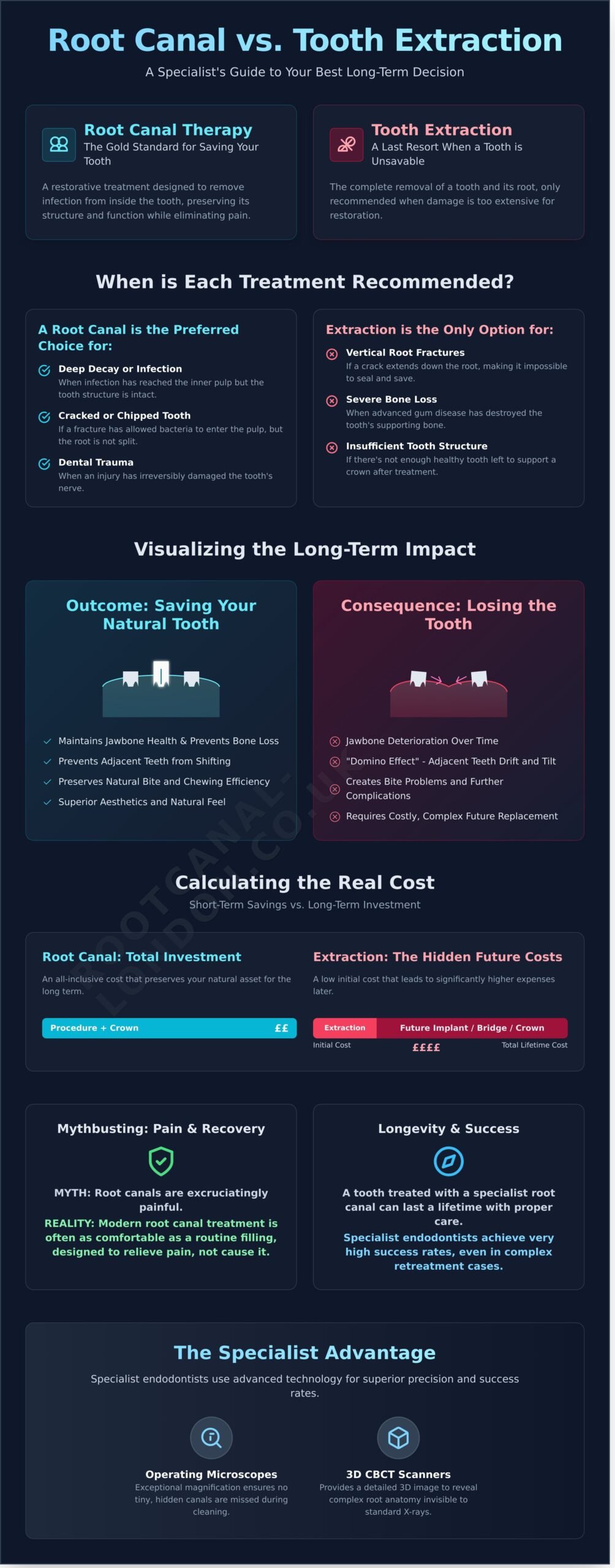
While an extraction may seem cheaper upfront, it is almost always the more expensive option over the long term. The "hidden costs" of removing a tooth quickly add up, turning a short-term saving into a significant future expense.
- Root Canal Cost: The private root canal cost in London is a one-time investment in saving your natural tooth. Our fees are transparent, so you know the full investment before treatment begins.
- Extraction’s Hidden Costs: The initial fee for pulling the tooth is just the beginning. You must then pay for a replacement, such as a dental bridge or implant, which can be far more expensive than the root canal would have been.
- The 10-Year View: Over a decade, the cost of an extraction followed by an implant and its potential maintenance will almost certainly exceed the cost of saving the tooth with a root canal and crown.
The Cost of a Missing Tooth
Leaving a gap is not a cost-free option. The consequences can lead to a cascade of expensive problems:
- Shifting Teeth: Adjacent teeth can drift into the gap, causing bite issues that may require orthodontic treatment.
- Bone Loss: The jawbone in the empty space will begin to shrink, which can complicate future implant placement.
- Implant Costs: A high-quality dental implant in London is a significant investment, often two to three times the cost of a root canal.
Emergency Care and Value
When you are in severe pain, you need immediate relief. Seeking an emergency root canal not only stops the pain but also prevents the infection from worsening to the point where the tooth cannot be saved. Investing in Dr. Millie’s expert care provides not just a procedure, but long-term peace of mind, knowing your tooth has been treated to the highest possible standard.
Relieve your pain and save your tooth—Book an appointment with Dr. Millie today
- Endodontist Dr. Millie (Eastman Dental Institute)
- State-of-the-art surgical facilities in Fulham
- Same-day emergency appointments available
Making Your Choice: Next Steps for Pain Relief in Fulham
The most important step you can take is to get an expert assessment of your tooth. Acting quickly dramatically increases the chances of saving it and ending your pain. We are here to provide a clear diagnosis and a gentle, effective solution.
- Book a Consultation: An endodontic consultation is the first step. We will assess your tooth, take any necessary imaging, and give you a definitive recommendation.
- Your First Visit: During your visit to our Fulham clinic, we will explain all your options, answer your questions, and ensure you feel comfortable and in control.
- Act Quickly: Dental infections do not resolve on their own. The sooner you seek treatment, the better the outcome.
- Final Reassurance: You are in expert, caring hands. Our entire team is dedicated to making your experience as stress-free as possible.
Our Technology and Facility
Our state-of-the-art clinic in Fulham is designed for patient comfort and clinical excellence. We use surgical microscopes for every treatment, as this advanced technology fundamentally changes the outcome by allowing for unparalleled precision. We have cultivated a calm, stress-free environment to ensure you feel at ease from the moment you walk in.
Booking Your Appointment Today
If you are in pain, do not wait. We offer same-day options for patients with acute dental emergencies. You can reach us by phone or through our online booking system. Let us help you get out of pain and save your smile.
Book your endodontic consultation with Dr. Millie today
Frequently Asked Questions
Is it better to have a root canal or an extraction?
It is almost always better to save your natural tooth with a root canal. It preserves your bite, jawbone, and smile, and is more cost-effective in the long run than extracting and replacing a tooth. Extraction should only be considered a last resort.
Why do people choose extraction over root canal?
People sometimes choose extraction due to anxiety about the root canal procedure or a misconception that it is a cheaper and faster solution. However, with modern techniques, root canals are pain-free, and an extraction often leads to higher long-term costs and more complex dental work.
Can a tooth be too far gone for a root canal?
In some rare cases, yes. If the tooth has a severe vertical fracture, has lost too much of its structure to be restored, or has inadequate bone support due to gum disease, an extraction may be the only option. An endodontist is the best-qualified professional to make this determination.
How long does a root canal tooth last compared to an implant?
A tooth that has had a successful root canal and is properly restored with a crown can last a lifetime with good oral hygiene. A dental implant is also a very durable solution, often lasting for decades, but it is not a "natural" tooth and requires a surgical procedure to place.
Is a root canal more painful than pulling a tooth?
No. This is a common myth. The goal of a root canal is to relieve pain caused by an infected nerve. The procedure itself is performed under local anaesthesia and feels no different than getting a regular filling. The recovery from an extraction is typically more uncomfortable than from a root canal.
What happens if I leave an infected tooth and do nothing?
An infected tooth will not heal on its own. The pain may temporarily subside if the nerve inside dies, but the infection will remain and can spread to your jawbone, surrounding teeth, and even other parts of your body, leading to a serious medical emergency called an abscess.
How much does an endodontic root canal cost in London?
The cost varies depending on which tooth is being treated (molars are more complex than front teeth) and the complexity of the case. At Bespoke Dental Fulham, we provide a transparent breakdown of all fees during your consultation. While it is an investment, it is significantly less than the long-term cost of extracting and replacing the tooth with an implant.
Can I get a root canal on an emergency basis?
Yes. We specialise in providing emergency root canal treatment in Fulham for patients in acute pain. We offer same-day appointments to provide immediate relief and save your tooth from extraction.